Tuesday, August 30, 2016
Transcript from Tracey Pt. 1
Go ahead and put her on a figure eight and get her reaching into that contact a bit more.
Try to just lightly feel her mouth and get her into that connection. So soften her down a little bit more on that outside side. Keep softening her down there - get her pushing through the outside and just a little position at the poll.
And then come in down the long side and maybe just stay a hair in from the wall so you can keep working on the straightness. See if you can get her to reach a bit more down. I mean this is pretty quiet and calm and I like that, but... bend her in. Try to shorten your reins a little bit that you can get a feel of her, and she’s going to look at the horses walking down the road. But keep your outside leg on that she doesn’t fall outward.
A little less wiggly in your middle, let that be in your hip, more that your hip pushes to the back of the saddle, not that your middle wiggles.
And when you’re ready here let’s go to a posting trot.
So even for the first transition I think I would walk and do that again just to see if you can get her listening a little more to that inner leg. Because what she did -- the reason that connection went a little bit kablooey was because she pushed against you with that inside side. So get your hands a little closer together. Soften her on that inside rein. Keep your hands together, make sure you know what you’re trying to do here. Don’t let your hand cross her neck which is real tempting when they lean on you like that.
Now let that first step out [to the trot] to be a little quieter. Encourage it to be smaller, you know, that she just starts out doing that “padunk” because padunking right now for her is fine.
Keep asking for this to get even more solid. That she really stays with you in that outside rein and stays off that inside leg. Really use that inner calf, the upper part of the inner calf. You’re asking her to step away from you a bit and she’s not really doing it, she’s really getting tight against your leg there. You might try the reins a little shorter -- not take more hold -- but when she’s giving and getting round suddenly your hands are way behind the saddle.
Now start thinking about the inside leg now because this is more or less where she pushes against you.
Keep asking because to me she’s still kind of flattening herself against you so that it ends up with her being just a little board-like a little braced there on the inside side. She’s not really taking that outside rein yet. It’s a whole lot different than it was --
Now a big circle when you get to the centerline out to the left, and again put her into both reins without pulling back. And don’t forget to change diagonals, good, details!
And then circle here. Now get her turning to the inside, think about that you want the middle of her chest looking along the line of the circle. Outside hand down. Let your shoulders turn where you’d like her shoulders to go. Not raising your right side - that your right side stays down. Allow the right elbow to stay quieter. The elbow opens and closes.
Monday, August 29, 2016
It does not do to dwell on dreams
... and forget to live. - JK RowlingKat was being challenging for a lesson today - I knew I would pick a fight with her unless I was careful, so when Dumbledore came down the hill I asked him to get on her for a minute.
There was, indeed, a discussion about contact + leg (Dumbledore answered yes, Kat answered no. Dumbledore won.) that was perhaps more boisterous than I wanted to ride. She porpoised, she hopped, she sucked behind the leg, but he stayed persistent and perhaps more importantly CONSISTENT and she came around.
While he rode through some shenanigans, he said, "she reminds me of my 3* mare. I sold her last year after qualifying for Rolex, but a junior owns her now and has a great time with her."
"Was it hard to sell a horse you could have gone to Rolex with?" I asked. I'd heard this story from someone else, but hadn't had a chance to ask him about it.
"Maybe five years ago it would have been." Kat proceeded to porpoise in the same corner for the third time, so he kicked her on and galloped around the arena before I asked:
"What changed?"
Kat cantered nicely then, and he said, "If I've learned anything, Kate, it's that there's no expiration date on dreams. Look at Bunnie Sexton, in her 50's and just now competing at the 4* level for the first time." He fell silent as he asked Kat to do a few transitions from the trot to the the canter and back again. "I've also learned that it's okay if your dreams change. The goals change. Life moves you forward."
Friday, August 26, 2016
The JellyBean Who Tried Dressage
(got eaten, but you'll have to wait for that.)
I believe in their simplest form, horses resemble jellybeans. Look closely at the photo of the horse above, and then carefully at the below photo of a jellybean.
Striking, isn't it?
Okay. So perhaps the colors don't match perfectly.... let's examine further.
Out of the herd I thinned the options down to the following:
Pretty eerie, huh? The resemblance to my mare is spot on.
Okay. So these Jellybeans sign up for a lesson in dressage. These beans are pasture raised beans and haven't done a lot, but they look at fancy dressage beans and think "hahahaha that is EASY!"
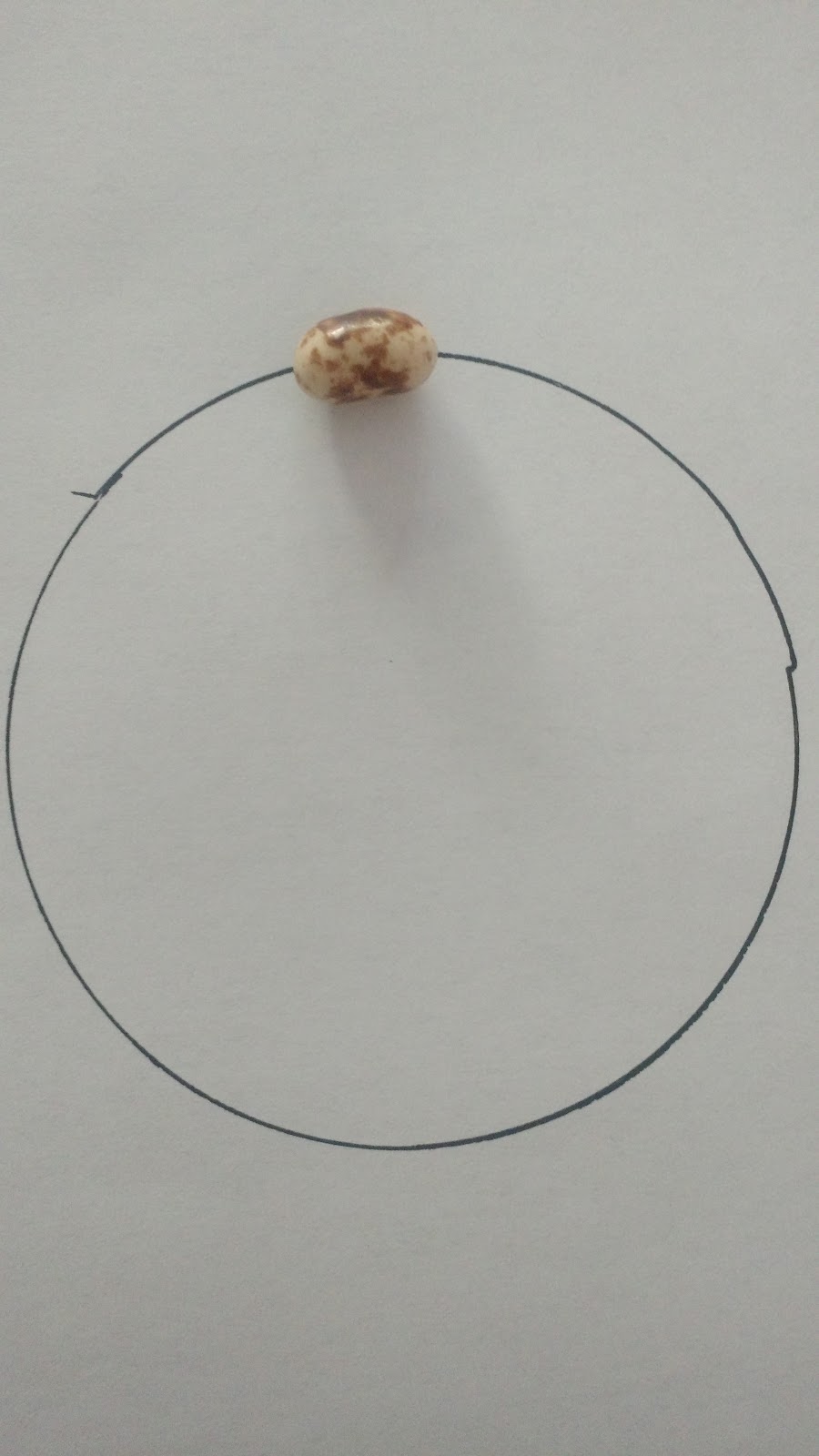
Their trainer presents them with this:
"What's this?" The beans ask.
"A circle." The trainer replies.
And so happily off go the beans to try their hand at a circle.
"No, no," the trainer says, "you've completely lost your hindquarters. You must bend onto the circle."
"Augh!" exclaims the trainer, "now you're completely crooked!"
One jellybean attempts and, with some luck, starts out with their natural hollow side to the center of the circle and so the trainer sighs in relief. Finally, she thinks, someone who knows how to ride a simple circle.
Matters are not so good for the jellybean when they track the other direction, however.
The jellybean feels squished, and prodded, and changed. The jellybean does not like change.
"Stick with it," the trainer calls, "you must be more determined!"
In the end, did the jellybeans get it? Did the jellybeans accomplish "dressage"?
Not really. Because they were eaten.
I believe in their simplest form, horses resemble jellybeans. Look closely at the photo of the horse above, and then carefully at the below photo of a jellybean.
Striking, isn't it?
Okay. So perhaps the colors don't match perfectly.... let's examine further.
Out of the herd I thinned the options down to the following:
Pretty eerie, huh? The resemblance to my mare is spot on.
Okay. So these Jellybeans sign up for a lesson in dressage. These beans are pasture raised beans and haven't done a lot, but they look at fancy dressage beans and think "hahahaha that is EASY!"
Their trainer presents them with this:
"What's this?" The beans ask.
"A circle." The trainer replies.
And so happily off go the beans to try their hand at a circle.
"No, no," the trainer says, "you've completely lost your hindquarters. You must bend onto the circle."
"Augh!" exclaims the trainer, "now you're completely crooked!"
One jellybean attempts and, with some luck, starts out with their natural hollow side to the center of the circle and so the trainer sighs in relief. Finally, she thinks, someone who knows how to ride a simple circle.
Matters are not so good for the jellybean when they track the other direction, however.
The jellybean feels squished, and prodded, and changed. The jellybean does not like change.
"Stick with it," the trainer calls, "you must be more determined!"
In the end, did the jellybeans get it? Did the jellybeans accomplish "dressage"?
Not really. Because they were eaten.
Thursday, August 25, 2016
Clicker Training: A tool like any other
Mention clicker training and you'll often get a negative reaction.
"Doesn't that train the horse to bite?"
and "nothing you train that way is useful"
or "sure, you can train some TRICKS that way"
are all pretty common reactions to the clicker when I bring it out.
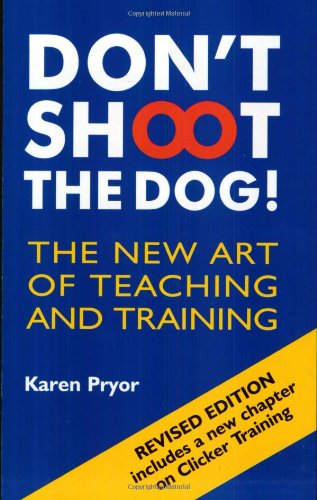
I use the clicker a LOT with ground manners, but ever since reading Karen Pryor's "Don't Shoot The Dog" I've been using it a lot more under saddle.
I love clicker training because it allows to me have a loud, adamant, and mutually agreed upon "Yes. That's it. That's it right there."
I have a lengthy discussion of dressage + clicker training that I'm going to bring out over the next few days, but I'll use the above gelding as an illustrative anecdote. His rider is a confident rider but she's quite small. He had a habit of bulling out over the shoulder and running away from jumps.
Now you can approach solving it in a lot of ways, so we first lowered the jumps, revisited what the outside rein means through serpentines and turns on the hindquarters, worked over trot poles, did some conditioning, checked saddle fit, gave him more time, used funneling placing poles... All of which helped. It really did.
But not to the point that I ever really felt he understood that his job was to go over the jump. Perhaps even that is too anthropomorphic. Those tools never got him to the point where he was consistently under stimulus control with jumping anything 2' or higher.
Until we introduced the clicker. A few sessions in the barn (less than five minutes) to get him familiar with the clicker as a bridge cue, then we threw the tool to the sharks, so to speak, and just clicked for jumping. We built a positive association with jumping.
Now I would argue he's a quite confident jumper, having shown at two facilities and schooled cross country without trouble.
There were other ways to accomplish this, yes. But this is how I went about it.
There are two sets of very important information that I'm going to steal directly from Pryor's book before I launch into my further discussions of clicker training and why I think positive reinforcement is an important tool to keep in mind.
First: 10 Laws of Shaping. (I feel that most of this applies to training using ANY method, so this is an important list.)
Second: 8 methods of eradicating behavior
Pryor, Karen. Don't Shoot the Dog!: The New Art of Teaching and Training. New York: Bantam, 1999. Print.
Do you have any familiarity with clicker training? Do you resonate with any of those methods of eradicating behavior? What about the guidelines for shaping behavior?
"Doesn't that train the horse to bite?"
and "nothing you train that way is useful"
or "sure, you can train some TRICKS that way"
are all pretty common reactions to the clicker when I bring it out.
I use the clicker a LOT with ground manners, but ever since reading Karen Pryor's "Don't Shoot The Dog" I've been using it a lot more under saddle.
| Can you spy the treat pouch and clicker here? |
I have a lengthy discussion of dressage + clicker training that I'm going to bring out over the next few days, but I'll use the above gelding as an illustrative anecdote. His rider is a confident rider but she's quite small. He had a habit of bulling out over the shoulder and running away from jumps.
Now you can approach solving it in a lot of ways, so we first lowered the jumps, revisited what the outside rein means through serpentines and turns on the hindquarters, worked over trot poles, did some conditioning, checked saddle fit, gave him more time, used funneling placing poles... All of which helped. It really did.
But not to the point that I ever really felt he understood that his job was to go over the jump. Perhaps even that is too anthropomorphic. Those tools never got him to the point where he was consistently under stimulus control with jumping anything 2' or higher.
Until we introduced the clicker. A few sessions in the barn (less than five minutes) to get him familiar with the clicker as a bridge cue, then we threw the tool to the sharks, so to speak, and just clicked for jumping. We built a positive association with jumping.
Now I would argue he's a quite confident jumper, having shown at two facilities and schooled cross country without trouble.
There were other ways to accomplish this, yes. But this is how I went about it.
There are two sets of very important information that I'm going to steal directly from Pryor's book before I launch into my further discussions of clicker training and why I think positive reinforcement is an important tool to keep in mind.
First: 10 Laws of Shaping. (I feel that most of this applies to training using ANY method, so this is an important list.)
- Raise criteria in increments small enough that the subject always has a realistic chance for reinforcement.
- Train ONE aspect of any particular behavior at a time; don't try to shape for two criteria simultaneously.
- During shaping, put the current level of response onto a variable schedule of reinforcement before adding or raising the criteria.
- When introducing a new criterion, or aspect of the behavioral skill, temporarily relax the old ones.
- Stay ahead of your subject; plan your shaping program completely so that if the subject makes sudden progress, you are aware of what to reinforce next.
- Don't change trainers in midstream; you can have several trainers per trainee, but stick to one shaper per behavior.
- If one shaping procedure is not eliciting progress, find another; there are as many ways to get behavior as there are trainers to think them up.
- Don't interrupt a training session gratuitously; that constitutes a punishment.
- If the behavior deteriorates, "go back to kindergarten"; quickly review the whole shaping process with a series of easily earned reinforcers.
- End each session on a high note, if possible, but in any case quit while you're ahead.
Second: 8 methods of eradicating behavior
- Method 1: "Shoot the animal." (This definitely works. You will never have to deal with that particular behavior in that particular subject again.)
- Method 2: Punishment. (Everybody's favorite, in spite of the fact that it almost never really works.)
- Method 3: Negative reinforcement. (Removing something unpleasant when a desired behavior occurs.)
- Method 4: Extinction; letting the behavior go away by itself.
- Method 5: Train an incompatible behavior. (This method is especially useful for athletes and pet owners.)
- Method 6: Put the behavior on cue. (Then you never give the cue. This is the dolphin trainer's most elegant method of getting rid of unwanted behavior.)
- Method 7: "Shape the absence"; reinforce anything and everything that is not the undesired behavior. (A kindly way to turn disagreeable relatives into agreeable relatives.)
- Method 8: Change the motivation. (This is the fundamental and most kindly method of all.)
Pryor, Karen. Don't Shoot the Dog!: The New Art of Teaching and Training. New York: Bantam, 1999. Print.
Do you have any familiarity with clicker training? Do you resonate with any of those methods of eradicating behavior? What about the guidelines for shaping behavior?
Tuesday, August 23, 2016
Jump All The Big Sticks
From top to bottom:
Tango and rider tackled most of the challenging training level questions while schooling, jumped a few prelim fences, and generally were the bossiest of bosses.
Gus (a slightly gaited but eminently hilarious fellow) took to cross country like an old pro after we bribed him into the water. When we made it to the other water complex he looked at it like, "OH, this means TREATS" and plowed right in.
Kat and Lessee of course jumped everything because Kat has recently transformed into a cross country MACHINE.
Chente had no issues with water but needs a bit more discussion regarding straightness and distances - once he and I had it out though I had a lot of fun with him!
GingerPony carried her rider across her first cross country schooling EVER and even with a few kerfuffle-y moments it was a wonderful success and I had a great time.
Monday, August 22, 2016
There's a Hole In My Bucket
I finally mastered my warm up by mounting up for a lesson five minutes late and then waiting for an hour and a half for my trainer to arrive. We wandered the ranch, got used to the covered arena, played with free walk/medium walk transitions, and worked on our mirror selfie game.
I also am SO DISAPPOINTED because I brought my Polaroid Cube to videotape the lesson. The video quality wouldn't be anything to write home about... but I would have been able to transcribe the lesson and therefore not forget everything before the next lesson!
But alas I instead took a photo of the ground and a photo of my face and didn't actually record anything. Next time!
Since we'd struggled so much with getting true left bend (and the judge at the show actually pulled me up and said, "so I know you're working on that left bend") I brought spurs along and asked Tracey if she thought it was a tool I should use. She shrugged, asked why not, and so I put them on. I nearly immediately regretted it: Kat interpreted every movement as an aid and we spent five minutes or so having a discussion about the difference between trot on and sideways. I know I'll want the spurs eventually but she's so sensitive about everything that I figure there's no reason to ask her to tolerate the spurs until I know I'm steady enough to use them well.
In the trot Tracey reminded me to land softly to the saddle -- this appears to be a keystone concept for me and for Kat. When my lower leg is underneath me and rotated inwards, I get this sensation of sort of melting to the saddle and sproinging back up, and when I add the engagement through the hip and outer thigh... my horse instantly, immediately, functionally slows down. And we're not talking flattens out slows down we're talking dressage slow. I am taking the horse rather than the horse taking me.
It's magic.
And it's hard.
And when Tracey asks me to think about other things I forget to focus on it because it's not yet habitual, and then my horse starts squirting forwards or backing way off and it's precisely because I'm not in control of my body.
So that's the biggest thing that I have to change in myself so it become 100% habit, and I am practicing. Oh man I'm practicing.
Then our trot was apparently good enough so we were sent off to do some leg yields from the quarterline to the rail.
First of all we'd come onto the quarterline and sort of fishtail a little, I'd let the shoulders keep coming around too much and we'd lost the hindquarters. Tracey told me to really think about connecting her to the outside rein, but what got me the most praise was paying attention to how I used the inside rein. If I made sure I went quiet on the inside about halfway through the turn up the centerline she didn't fishtail and stayed straight down the line.
In the leg yields, you position your legs a little like in shoulder-in. The inside leg stays a little forward and the outside leg stays a little back. You let the shoulder lead, but only a little.
Kat carried herself forwards quite well on the long straight lines and the sideways was acceptable, so we graduated to coming down the centerline and leg yielding to the rail. Harder, but still doable. Long straight lines are awesome.
We continued to work on my sitting trot into the canter, and focused so much on keeping me the same through the transition. As in my core remains engaged, my hands remain still, I keep facing the same direction, and I don't shove/hover with my seat. It's just an aid: and then she canters.
HAHAHAHA EASIER SAID THAN DONE TRACEY but I did see her point quite clearly as the quality of the canter is much higher when I ride it that way.
In the downward transition... oh, the downward transition. So many things to work on.
First: I lift my hands up to make her trot.
Second: I lean way back and dig my seat bones into her back.
Third: I completely stop breathing.
The result?! (This is going to be really shocking.) She trots, sure, but she also trots at ten thousand miles an hour and isn't honestly connected to me at all.
How do you prevent yourself from doing those things so that you can have perfect downward transitions all the time?
Beats the hell outta me, but here's what we're trying:
Keep the hands low. And soft. You can close the fingers but that doesn't mean tense them upwards. Just shut your hand.
And then stop cantering with your butt. My reaction to that tidbit was to shove like hell, but I don't think that's the correct reaction.
I thought about that wall, that glass wall that you press your upper body against in order to keep bearing down evenly, and I thought about staying completely leaned into that wall. It wouldn't let me tip too far forward, but it sure prevents me from coming behind the vertical.
And then softly, the seat stills. (Ideally the horse trots here but instead we went around the circle a time or two before she hesitantly offered trot and I praised her a lot but then got scolded for letting her trot around at mach 10 before coming to a balanced trot).
At the end, we got it a few times and I could feel how there's a difference between going still and riding like a barrel of fish with glazed eyes and a vague hope... but we'll keep tackling it.
If you're curious, the title of this post is because after this lesson I filled a bucket of water to give to Kat only to discover a rat had eaten a hole in the bottom of the bucket and I spilled all over myself in an attempt to give her water. Then I drove home and sang the song the whole way home. "There's a hole in my bucket dear Eliza, dear Eliza..." (You're welcome.)
![]() |
| Spoiler alert: I have a lot to learn |
But alas I instead took a photo of the ground and a photo of my face and didn't actually record anything. Next time!
Since we'd struggled so much with getting true left bend (and the judge at the show actually pulled me up and said, "so I know you're working on that left bend") I brought spurs along and asked Tracey if she thought it was a tool I should use. She shrugged, asked why not, and so I put them on. I nearly immediately regretted it: Kat interpreted every movement as an aid and we spent five minutes or so having a discussion about the difference between trot on and sideways. I know I'll want the spurs eventually but she's so sensitive about everything that I figure there's no reason to ask her to tolerate the spurs until I know I'm steady enough to use them well.
In the trot Tracey reminded me to land softly to the saddle -- this appears to be a keystone concept for me and for Kat. When my lower leg is underneath me and rotated inwards, I get this sensation of sort of melting to the saddle and sproinging back up, and when I add the engagement through the hip and outer thigh... my horse instantly, immediately, functionally slows down. And we're not talking flattens out slows down we're talking dressage slow. I am taking the horse rather than the horse taking me.
It's magic.
And it's hard.
And when Tracey asks me to think about other things I forget to focus on it because it's not yet habitual, and then my horse starts squirting forwards or backing way off and it's precisely because I'm not in control of my body.
So that's the biggest thing that I have to change in myself so it become 100% habit, and I am practicing. Oh man I'm practicing.
Then our trot was apparently good enough so we were sent off to do some leg yields from the quarterline to the rail.
First of all we'd come onto the quarterline and sort of fishtail a little, I'd let the shoulders keep coming around too much and we'd lost the hindquarters. Tracey told me to really think about connecting her to the outside rein, but what got me the most praise was paying attention to how I used the inside rein. If I made sure I went quiet on the inside about halfway through the turn up the centerline she didn't fishtail and stayed straight down the line.
![]() |
| Thank goodness I still have photos Megan took because otherwise it was all mirror selfies for you guys today |
In the leg yields, you position your legs a little like in shoulder-in. The inside leg stays a little forward and the outside leg stays a little back. You let the shoulder lead, but only a little.
Kat carried herself forwards quite well on the long straight lines and the sideways was acceptable, so we graduated to coming down the centerline and leg yielding to the rail. Harder, but still doable. Long straight lines are awesome.
We continued to work on my sitting trot into the canter, and focused so much on keeping me the same through the transition. As in my core remains engaged, my hands remain still, I keep facing the same direction, and I don't shove/hover with my seat. It's just an aid: and then she canters.
HAHAHAHA EASIER SAID THAN DONE TRACEY but I did see her point quite clearly as the quality of the canter is much higher when I ride it that way.
In the downward transition... oh, the downward transition. So many things to work on.
First: I lift my hands up to make her trot.
Second: I lean way back and dig my seat bones into her back.
Third: I completely stop breathing.
The result?! (This is going to be really shocking.) She trots, sure, but she also trots at ten thousand miles an hour and isn't honestly connected to me at all.
How do you prevent yourself from doing those things so that you can have perfect downward transitions all the time?
Beats the hell outta me, but here's what we're trying:
![]() |
| Wait that's not a dressage photo... |
And then stop cantering with your butt. My reaction to that tidbit was to shove like hell, but I don't think that's the correct reaction.
I thought about that wall, that glass wall that you press your upper body against in order to keep bearing down evenly, and I thought about staying completely leaned into that wall. It wouldn't let me tip too far forward, but it sure prevents me from coming behind the vertical.
And then softly, the seat stills. (Ideally the horse trots here but instead we went around the circle a time or two before she hesitantly offered trot and I praised her a lot but then got scolded for letting her trot around at mach 10 before coming to a balanced trot).
At the end, we got it a few times and I could feel how there's a difference between going still and riding like a barrel of fish with glazed eyes and a vague hope... but we'll keep tackling it.
If you're curious, the title of this post is because after this lesson I filled a bucket of water to give to Kat only to discover a rat had eaten a hole in the bottom of the bucket and I spilled all over myself in an attempt to give her water. Then I drove home and sang the song the whole way home. "There's a hole in my bucket dear Eliza, dear Eliza..." (You're welcome.)
Friday, August 19, 2016
Schooling Show: Success
In summary: we rode Training 1 (68.9%), Training 2 (71.5%), and Training 3 (68.6%).
In practice: our haunches consistently swing left in the halt, leaving us with two 6.5's and a 7 despite what otherwise feel like really good centerlines to me - straight, forward, and prompt halts. The judge later told me to work on doing my halts through the walk in order to better control the hindquarters. (Duh, it's training level.)
Lesson learned.
My geometry was pretty solid, earning us 8's all over the place and even an 8.5, but the score I'm most excited about?
A 9.0 for a transition from trot to walk.
Our collectives were fine but nothing spectacular, 7.0's and several 6.5's for various issues. I did get a 7.5 for rider position and seat on training 2.
We had fun and it was really nice to see how Kat's energy played out, how she handled the show environment, but besides deciding I'll just have a longer walking warm up I can't say I learned all THAT much.
I learned more about myself and test riding from Elrond, but it's also true that at this point I've ridden these training tests a lot on other horses too, so perhaps it's about eradicating those 5.5's (I'm looking at you, 'working canter right lead' [the judge's comment: exuberant.])
I'm going to practice my halts a bit since over the three tests I think I threw a LOT of points away.
Tracey will continue to help me with the transitions.
After the test we got some coffee and fuel for the truck and headed home for a mercilessly traffic-free commute.
Subscribe to:
Posts (Atom)